
DIRTY DATA DONE RIGHT · EPISODE 4
IN THIS EPISODE
Rashidat Balogun, Managing Director of the Chicago Regionwide CIE, joins host Gregg Church to explain how Chicago’s community information exchange connects isolated systems so vulnerable residents stop falling through the cracks. Balogun describes why the CIE had to move at the speed of trust, how people with lived experience shaped its consent model, and what becomes possible when a person is visible to every system trying to help.
Guest: Rashidat Balogun
Host: Gregg Church
Running time: 15 min
Watch or listen
Follow the show wherever you listen.
KEY QUESTIONS, ANSWERED
According to Balogun, care breaks down because “these isolated systems don’t talk to one another,” so no one sees the big picture of the person they’re trying to help. Someone living in an encampment may lose all their documents and be unable to explain last week’s ER visit, then face the same questions from another provider. Those gaps lead to duplicate applications for things like housing. Balogun also stresses that the CIE is trauma-informed, because asking the same questions again and again can re-traumatize people.
According to Balogun, the CIE’s Master Person Index links records that belong to the same person even when the details don’t match. She uses her own name as an example. Some systems record her as Rashidat with a T, others drop the T because they assume it’s a typo, and some include her middle initials. Each system may hold only part of her record. The index pulls those variations together to confirm “this is the person” and connect her records from places like Northwestern and Illinois Masonic.
According to Balogun, the CIE started on an aggressive timeline, racing against “the ARPA dollar clock,” but that plan didn’t hold. The team had to slow down and “move at the speed of trust.” That took many conversations, meetings and examples explaining what data sharing looks like and that it’s an exchange, not a data grab. Balogun believes launching a work group of people with lived experience made the difference, because organizations heard directly from the people they serve instead of from the CIE.
According to Balogun, input from people with lived experience changed the CIE’s design, especially around consent. They were adamant that they did want their information shared, with one caveat: they should be able to take back their consent at any point. Someone who is no longer experiencing homelessness three or four years later may not want their information “continuously out there.” Their question to the CIE was simple: “Can you turn the tap off?”
According to Balogun, one early pilot showed value inside a single organization. Agencies that serve this population run many programs, and the CIE helped staff see which of their own programs a person was already using and which others the person might be eligible for. People said they hadn’t known the organization offered those programs, and it helped them get more of the help they need. Balogun notes that this came from sharing social data alone. The medical side hasn’t been added yet.
ON THE MIC

GUEST
Managing Director
Chicago Regionwide CIE
Rashidat Balogun is the Managing Director of the Chicago Regionwide CIE, which grew out of a COVID-era response and has been in design, development and implementation for nearly three years. She had planned to become a practitioner, but when COVID shut down the ERs and stopped her clinicals, she joined the Chicago Task Force and fell in love with population health.
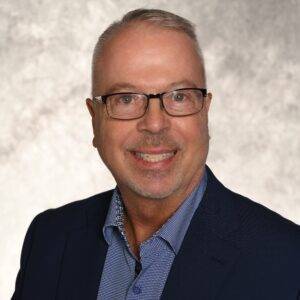
HOST
CEO and President, 4medica
Gregg has more than 20 years of experience in health IT and has led 4medica as CEO and President since rising through the company after joining in 2010. He champions interoperability and a national strategy for patient identification and matching, and regularly speaks and hosts roundtables on the topic at industry, regulatory and public policy events.
FULL TRANSCRIPT
Gregg Church: We're so excited we have Rashidat Balogun with us this morning. We're here live at Civitas. And Rashidat, a little introduction about yourself.
Rashidat Balogun: Good morning, Gregg. So excited to be here. I'm Rashidat Balogun, as Gregg mentioned. I am the managing director of the Chicago Regionwide CIE.
We've been in design, development, implementation for the past three years now. It'll be three years next month. Cannot believe it. But yeah, excited to be here.
Gregg Church: So tell me a little bit more for this group that's going to be listening, a little bit more about what are the values that are going on today with the community CIE.
Rashidat Balogun: Yeah, so primarily our particularly our CIE came out of a COVID-era response, right? And so it was such a difficult time, the care coordination between our most vulnerable population. During that time, making sure that everyone was receiving the care they needed, that the physicians, the people that were surrounding them to help them have the information that they need to care for this vulnerable population, they did not. And so that's where our CIE was born out of.
And then having conversations is more as we get involved with more people around in Chicago. We understand that problem is still imminent. It's still prevalent across the city of Chicago. And so it's like how do we bring folks together to take care of our most vulnerable population?
Gregg Church: Wow, that's powerful. So before the CIE, where did people most often fall through the cracks? What happened?
Rashidat Balogun: Generally, it's lack of knowledge. Something was very interesting that I heard a couple of years ago. So a prominent Chicagoan who works in city government had a brother, right, who was experiencing some mental health issues and challenges and was also experiencing homelessness. Even at her level, her level of education, her level of income, she still couldn't pull the pieces together of like where her brother had been, who had been seeing him, his medical records, what services he had had.
So it generally falls apart there. Like these isolated systems don't talk to one another. They don't pull the information together so that the person can see the big picture of the person that they're trying to help.
There are always gaps or whether it's medical or whether it's social, does this person already have Medicare or Medicaid? Does this person is are they already have they already applied for housing? Are they already on the list? So a lot of times you have duplicative services as well, people reapplying for things that this person already has, or someone has already started an application for.
Gregg Church: So that makes me think. So, what does lost to care look like for the individual and for the organization trying to help?
Rashidat Balogun: When we think about lost to care, it's... So it looks like you have this individual in front of you, right? You don't understand like where the... Then a lot of times when you just think about this, especially in Chicago, I'm not really sure how it is in other cities, but you have these encampments, right? This person is living in an encampment. Everything they own is, they own is with them, they leave and then it's full of those.
They've lost all their documents, they've lost all their papers. Honestly, they couldn't even tell you like why they were in the ER last week or how they got out with, without this paper, right? So now it's gone and now they're sitting in front of another provider and the provider is asking these questions. Where have you been? What do you need?
And then the other thing that I think is important for people to understand, the other important part of the CIE, Gregg, is that we're trauma-informed. So you think about you have a record of this person, where they've been, what they've been through. A lot of times our questioning, especially in social services, we're re-traumatizing that individual by asking them these same questions.
You think about falling into homelessness, like how traumatic of an experience you might have had in order for that to happen to you. And then you have folks consistently, continuously asking you these same questions over and over.
Gregg Church: Yeah. So that kind of leads into what makes identifying in the same person especially difficult across shelters, hospitals, Medicaid and community agencies?
Rashidat Balogun: Yeah, so fortunate we're excited about a function of CIE, the Master Person Index, right? I think about myself. So I'll use myself as an example. It's funny. So my name is Rashidat, as you mentioned, and you've asked me about that T at the end of my name before, right?
A lot of people assume that it's not supposed to be there. There's a typo, so they literally just like remove it. Drop it off. They just drop it off. So in some places I might be Rashidat with the T, in other places I might be Rashida without the T, right?
Some people use my middle initials, some places don't. And then now you have all of these records of me, still me, right? There's Rashidat with the T and then...
Gregg Church: The variations of you.
Rashidat Balogun: The variations of me. And so depending on what's in their system and they pull it up, they might be missing some parts of my record or something that they should know. And so being able to pull all of those together to say, yes, this is the person, this is Rashidat. She was at Northwestern, she was at Illinois Masonic and then bring those records together.
Gregg Church: Wow, that's interesting. So how did you earn enough trust for organizations and community members to actually share their data?
Rashidat Balogun: How did I earn enough trust? We had this aggressive timeline. I'm gonna call it aggressive timeline for the CIE because we're racing against the ARPA dollar clock, right? And so we had this agenda, we really had it laid out, like how quickly this was gonna go. And it did not work like that at all, Gregg.
We literally had to put the brakes on and move at the speed of trust. It took a lot of conversations, it took a lot of educating to understand like this is what data sharing looks like. This is what, this is why. These are, you have gaps and challenges and you want information, but it's exchange, it's an exchange. You don't just, it's not a data grab, it's an exchange.
A lot of meetings, a lot of examples. So we launched people with lived experience work group, right?
Gregg Church: So let's talk about that.
Rashidat Balogun: Yeah, so they got to hear from them and so it wasn't like we want you to provide this data, we need this. It's like the people that you serve, this is what their situation looks like, this is how they experience going through your system and this is what they desire. I think that made the difference because before it sounded like it was coming from us. It's not us, it's the people you serve and it's the community at large.
Gregg Church: So the trust is going to the individuals that need the service the most, gaining their trust and building that trust with them.
Rashidat Balogun: Exactly.
Gregg Church: That's powerful. What did people with lived experience, what changed about the design when you got them in, learn from it, did that change your mindset on how you would approach this and build this?
Rashidat Balogun: It did. Especially the consent part. When we think about the consent, they were adamant that they did want their information shared. And other folks didn't believe, was like we're happy to share our information but here's the caveat: when we want to rescind that, we should be able to do that, like as long as we can decide at any point.
Just say three or four years from now I'm not experiencing homelessness and I don't want my information continuously out there. Can you turn the tap off? Can you stop sharing it?
Gregg Church: That's good. So you're building it based on their need at the time. If things change in their life, they may have a change in what they actually want to share.
Rashidat Balogun: Exactly.
Gregg Church: That's powerful. Which early outcome would convince you the CIE is changing lives, not simply moving information?
Rashidat Balogun: Yeah, so I'll give you an example that we heard from like one of our pilots within one organization. Just the fact that they are now using the CIE, the sharing, the level of sharing within a single organization, because you think about these organizations that serve this population, they have many, many programs. Now they are better able to understand what programs the individual is using within their own organization, that they can add additional programs. They are even seeing a bigger picture of the individual that they've been serving for a long time to help them to fill in some of those gaps.
Like, hey, you might be eligible for this program as well. And based on what we know of you, now we also believe that you should be part of this program. And so it's helping them just on that level.
We haven't even brought in the medical part yet, right? This is just the social sharing and people have responded with, I didn't, they didn't even know the organization offered those programs and it's helped them get more of the help that they was, that they need.
Gregg Church: So it's been a couple of years, right? So now looking back from what you learned talking with people with lived experience, getting them in to build their trust, let's look forward thinking. Where do we go next with this? What happens next?
Rashidat Balogun: Gosh, this is an interesting conversation because even though the CIE can enable this data sharing to bring this whole person care, or what we lack is inventory, right? So a lot of these people were trying to move them through and out on their own, so out of homelessness, in other words, right? And so I believe personally, especially like having this data within the CIE, it can help informs, right? Because now we're kind of guessing.
So in Chicago, we have two continuums of care. So there's the city continuum of care, there's the suburban continuum of care. The CIE enables them both to see what the other has, right? So now we get to understand if we have individuals that are on both lists, individuals that are up for housing on both lists. So now we can consolidate those.
They can make better, what do I want to say, recommendations, not duplicate services. There's waste when we're duplicating services, right? And so it'll help us get a clear picture of what's out there. What's available, what programs that and grants, right? Better decision making from that, from the data that's within the CIE, outside of just the care that we're surrounding, it helps them better inform how they're going to allocate dollars to those programs.
Gregg Church: So now you're learning as you go, you're seeing the value that it's creating, and then you're building off of that other programs that not only brings sustainability for the network, but bringing the programs that are really needed.
Rashidat Balogun: Exactly.
Gregg Church: You have a lot of passion for this, I can tell. So if you could make one change in the world to help people, and you're doing a lot right now, what would that one change be to help?
Rashidat Balogun: Like I have a list of 10, Gregg, but I think this CIE actually brings together, when you think about a community information exchange, it brings together all the things that I'm passionate about. So right now we're launching the behavioral health pilot, right? Behavioral health is the reason I actually got into public health. So I'd like to see more of that. I'd like to see how the CIE can address that.
There is an incredible shortage of behavioral health practitioners across the globe, across the country, right? People understand that. I think the data that we'll provide will allow people to really understand that and somehow help, I know that if I could wave a magical wand, bring more practitioners in to behavioral health.
I think it's important. That one is near and dear to my heart. It we have a family history and so yeah, it would be that something could help improve that part of our health.
Gregg Church: That's powerful. So if, and when, or we're not gonna say not if, but as Chicago gets this right, what becomes possible for a person who is almost invisible to every system trying to help them today?
Rashidat Balogun: They become visible, right? And so the folks that are not guessing about their care or what their needs are in that moment, they're, it's right there in black and white in front of them. So they're no longer guessing, does this person have this, does this person experience this, where they've been. That's the exciting part about it.
And then I also see it, I know right now it's regionwide, but I see it as a statewide infrastructure initiative going forward.
Gregg Church: So what does it take to make that a statewide initiative going forward?
Rashidat Balogun: It takes the state. So a lot of sustainability, a lot of funding, a lot of buy-in. I think in some areas it may be mandated, you know, to require certain participants, like the managed care organizations who are kind of like on the outskirts trying to understand what they're doing in Chicago, what are they doing? It will bring more government agencies in, more government funding, I believe, and then just philanthropy as well. It's gonna take a coordinated effort across all of those funders in order to keep this sustainable.
Gregg Church: So what I'm hearing is working together, getting every organization, seeing the vision, and then you know bringing that you know into the network for sustainability.
Rashidat Balogun: Yeah.
Gregg Church: So what one fun fact can you share with our audience about Rashidat?
Rashidat Balogun: One fun fact is that I had no intention of going to public health. It wasn't at the top of my list. COVID brought me to public health. I was going to be a practitioner. I was going to be an associate.
And so I wasn't, this wasn't on my radar. And then COVID happened, they shut down the ERs to us, so we couldn't do our clinicals. And then I was like, what am I gonna do? And yeah, I joined the Chicago Task Force and I fell in love with population health and solving population life problems.
Gregg Church: Wow, that's fantastic.
Rashidat Balogun: Yeah.
Gregg Church: And what do you hope to accomplish, you know, coming to Civitas? One final question.
Rashidat Balogun: Yeah, consent is still a big thing and data sharing is still a big thing. So just trying to understand and learn from others on how they got the medical side, right? Because Illinois doesn't have an HIE. Everyone is nervous about sharing that made up medical data and just bringing back that knowledge on how other places are doing, how they set that precedence for that and then bringing it back to Chicago.
Gregg Church: Fantastic. Thanks for joining us today.
Rashidat Balogun: Thanks Gregg. Happy to be here.
Transcript lightly edited for readability.
MORE FROM DIRTY DATA DONE RIGHT
New conversations with the leaders tackling healthcare’s dirty data. Follow the show wherever you listen.
| Cookie | Duration | Description |
|---|---|---|
| cookielawinfo-checkbox-analytics | 11 months | This cookie is set by GDPR Cookie Consent plugin. The cookie is used to store the user consent for the cookies in the category "Analytics". |
| cookielawinfo-checkbox-functional | 11 months | The cookie is set by GDPR cookie consent to record the user consent for the cookies in the category "Functional". |
| cookielawinfo-checkbox-necessary | 11 months | This cookie is set by GDPR Cookie Consent plugin. The cookies is used to store the user consent for the cookies in the category "Necessary". |
| cookielawinfo-checkbox-others | 11 months | This cookie is set by GDPR Cookie Consent plugin. The cookie is used to store the user consent for the cookies in the category "Other. |
| cookielawinfo-checkbox-performance | 11 months | This cookie is set by GDPR Cookie Consent plugin. The cookie is used to store the user consent for the cookies in the category "Performance". |
| viewed_cookie_policy | 11 months | The cookie is set by the GDPR Cookie Consent plugin and is used to store whether or not user has consented to the use of cookies. It does not store any personal data. |